Social Dance Nights in Rīga Old Town — What to Expect
6 min read
•
All Levels
•
April 2026
Find information about regular dance socials in Rīga's historic Old Town. Includes tips on what to wear, how to connect with partners, and the typical evening schedule.

If you're thinking about joining a dance social for the first time, you'll probably have questions. What's the dress code? Will you need a partner already? How late does it run? The truth is, it's not complicated — but knowing what to expect makes all the difference. We've been to dozens of these events, and we're here to walk you through everything.
Rīga's Old Town socials have become a real hub for adults over 45 who want to dance, meet people, and have a genuine good time. The atmosphere is relaxed, the music's great, and most importantly, nobody's judging. Let's dive into what these evenings are actually like.
Where It Happens and When
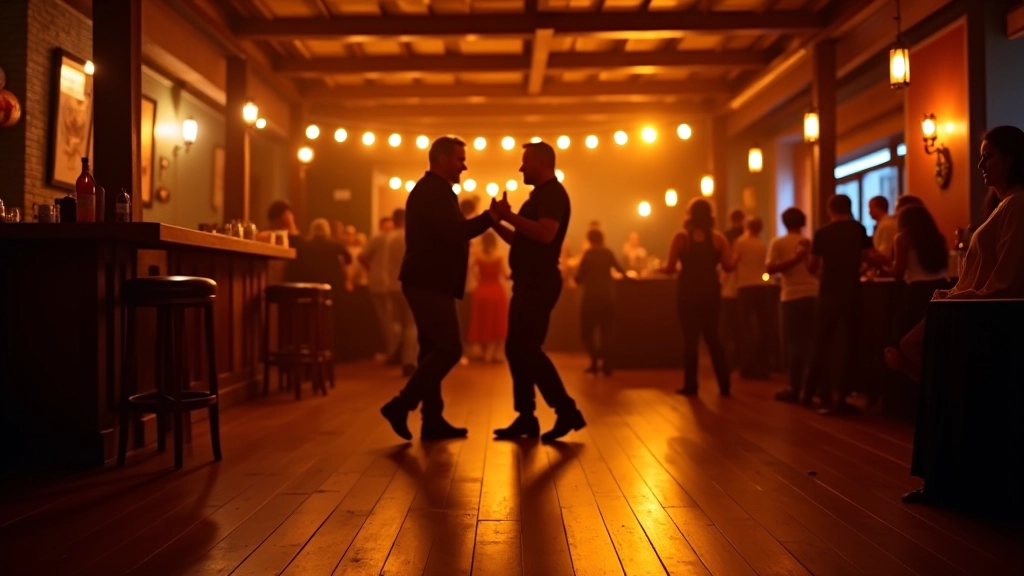
The main socials run Thursday through Saturday nights, typically from 8 PM to midnight. There's usually a mix — some venues focus on bachata, others rotate between bachata and salsa, and a couple of spots welcome both equally. The Old Town itself is gorgeous, and the venues are scattered throughout the narrow streets, so there's actually a nice vibe of moving between spots if you want to explore.
Most places have a small entry fee — nothing major, usually around 8-12 euros. The venues aren't massive nightclubs; they're intimate spaces with good sound systems and enough room to actually dance without feeling crushed. You'll find anything from cozy basement bars to small dance halls with proper wooden floors. A few have themed nights (ladies' night, newcomer-friendly events), which can be helpful if you're nervous about showing up alone.
Pro tip: Thursday nights tend to be quieter and more beginner-friendly. If you're just starting out, that's your sweet spot. Saturday nights? Packed, energetic, and definitely more advanced dancers showing off a bit.
Finding a Dance Partner
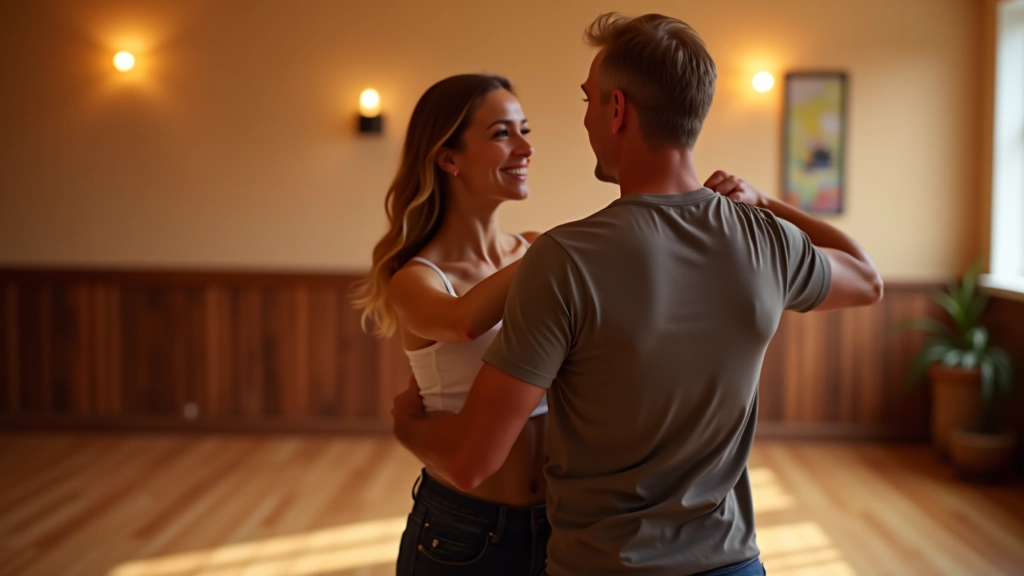
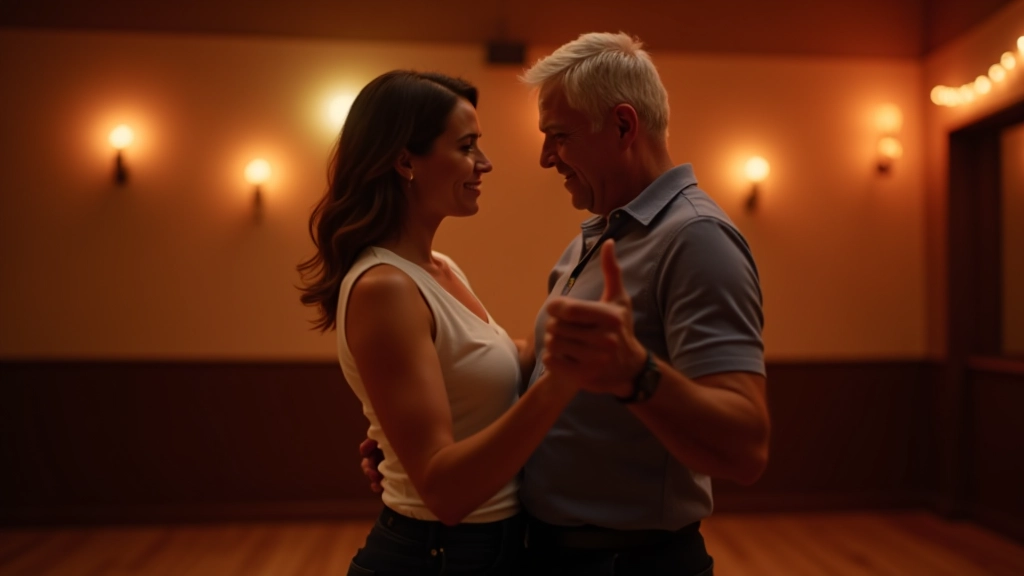
Here's what everyone worries about: "But I don't have a partner." Honestly? Don't stress about it. The socials work differently than classes. People rotate partners constantly. You'll dance with different people throughout the night, and that's totally normal. Women often dance with multiple partners in one evening, and men do the same. It's not weird; it's how it works.
If you're nervous about asking someone to dance, there's usually an unspoken rhythm to it. Near the beginning of a song, people naturally gravitate toward partners. You can make eye contact, smile, and nod — most people understand that gesture. If someone's sitting out, they're probably open to dancing. The community's really friendly about this. Nobody's going to make you feel bad for asking, and people rarely turn down a dance unless they're genuinely taking a break.
Women get asked a lot, so that's usually not a problem. Men sometimes feel like they need to ask more — and yes, traditionally they do — but it's changing. Everyone wants to dance, and the ratio of men to women varies night to night. Just show up with a positive attitude, and you'll find yourself dancing.
Educational Note: This article provides informational guidance about social dance events. Actual experiences may vary depending on specific venues, organizers, and local conditions. We recommend checking directly with individual venues for current schedules, pricing, and specific event details before attending.
What to Wear and Bring
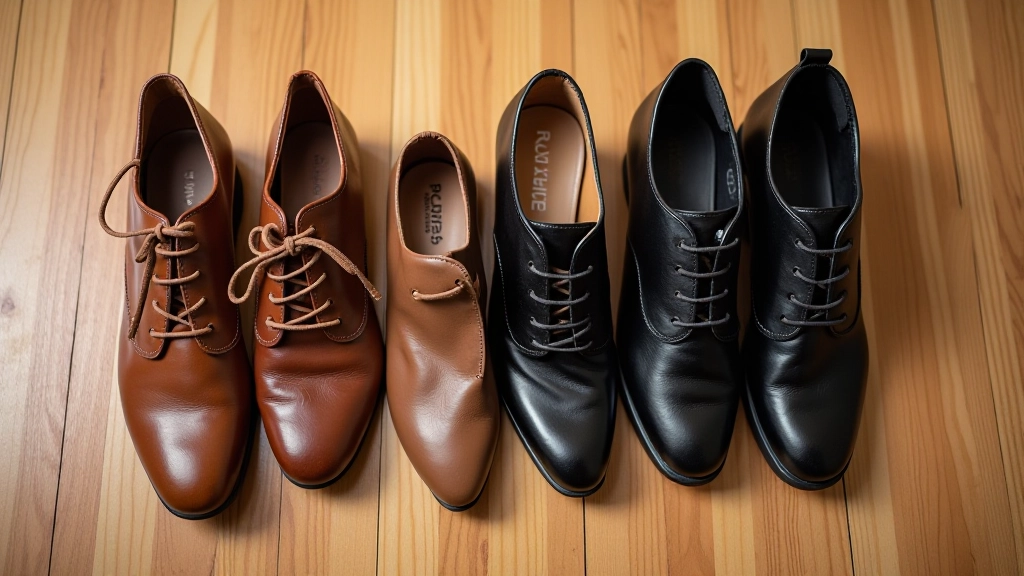
Dress code? It's casual. You'll see everything from jeans and a nice shirt to slightly dressier outfits, but nobody's wearing formal wear. The vibe is "I made an effort but I'm not overdoing it." Comfort matters because you're actually going to dance. Women often wear dresses or nice pants with comfortable tops. Men typically go for jeans or chinos with a button-up or casual shirt. And shoes — that's important. You need proper dance shoes or at least smooth-soled shoes that let you pivot. Don't wear rubber-soled sneakers; you'll get stuck on the floor and feel awkward.
Bring cash for the entry fee and drinks. Most venues aren't fancy about cards, but having cash is safer. A small bag if you need one, but don't bring too much — you'll be dancing, not sitting at a table. Water's important too. Dancing for three hours is more physical than you'd think, especially if you're not used to it. Stay hydrated.
Quick checklist:
- Dance shoes or smooth-soled shoes
- Cash for entry and drinks
- Comfortable clothes you can move in
- Water bottle or plan to buy water
- Small bag if needed
What a Typical Evening Looks Like
8:00 - 8:30 PM
Arrival & settling in. People trickle in, grab a drink, say hello to friends. The DJ's warming up. Energy's building. Don't feel pressured to jump in immediately; there's no rule that says you have to dance right away.
8:30 - 10:00 PM
Steady dancing. The floor's busy but not crazy. You'll recognize faces from other weeks. This is prime time for actually dancing — you've got energy, people are fresh. The music alternates between bachata and salsa (or focuses on one, depending on the venue).
10:00 - 11:30 PM
Peak time. The venue's at capacity. Everyone's warmed up, the DJ's reading the crowd perfectly, and the energy's fantastic. If you're not exhausted, this is when you'll have the most fun.
11:30 PM - Midnight
Winding down. People start leaving, but the diehards keep going. Some venues stay open later on weekends. It's a good time to grab a final dance or just soak in the atmosphere before heading out.
The pace is completely up to you. Take breaks whenever you need them. Sit and watch. Chat with other dancers. Nobody's keeping score. Some people dance every song; others come for the community and dance maybe half the night. It's genuinely low-pressure.
Unwritten Rules Worth Knowing
Dance socials run on a few simple principles. First: it's about having fun, not showing off. Yes, some people are advanced dancers, but nobody's there to make anyone else feel small. The community's welcoming because that's the whole point — we're all here to enjoy ourselves and meet people who share this passion.
When someone says "yes" to a dance, they're committing to that song. You don't bail halfway through unless something's actually wrong. If you're dancing with someone new, keep it simple if they're clearly less experienced. Lead or follow respectfully — that means not yanking your partner around or making them do moves that feel unsafe. The frame matters. Your connection with your partner should feel good, not tense.
If someone's not a good fit as a dance partner — maybe the energy's off or the dancing styles don't click — just smile and say thanks at the end of the song. That's completely normal. There's no drama about it. Everyone gets it. You're going to dance with plenty of people; not every pairing will be magic, and that's fine.
The Real Experience
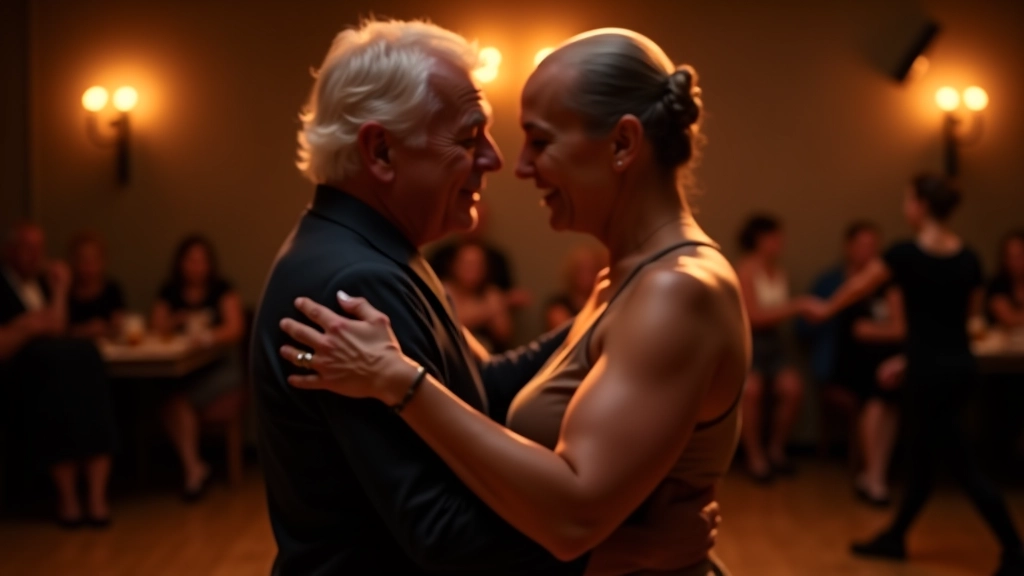
Going to a social dance night in Rīga Old Town isn't intimidating once you know what to expect. You'll walk in, see people dancing, hear great music, and realize you're exactly where you belong. The first time's always the hardest — that moment of walking through the door — but after that, you'll understand why people keep coming back.
You'll meet interesting people. You'll get better at dancing without even trying. You'll have songs where everything clicks and you feel genuinely alive on the dance floor. And you'll be part of a community that's genuinely happy you showed up. That's what these nights are really about. Not perfection. Not impressing anyone. Just people who love to dance, moving together, having a good time. That's worth showing up for.

Author
Anita Liepa
Senior Dance Events Coordinator & Instructor
Certified Latin dance instructor with 16 years of experience organizing bachata and salsa events for adults over 45 across Latvia.