
Getting Started with Bachata — A Beginner's First Steps
Learn the basic timing, footwork, and frame. We cover what to expect in your first class and how to feel confident on the dance floor.
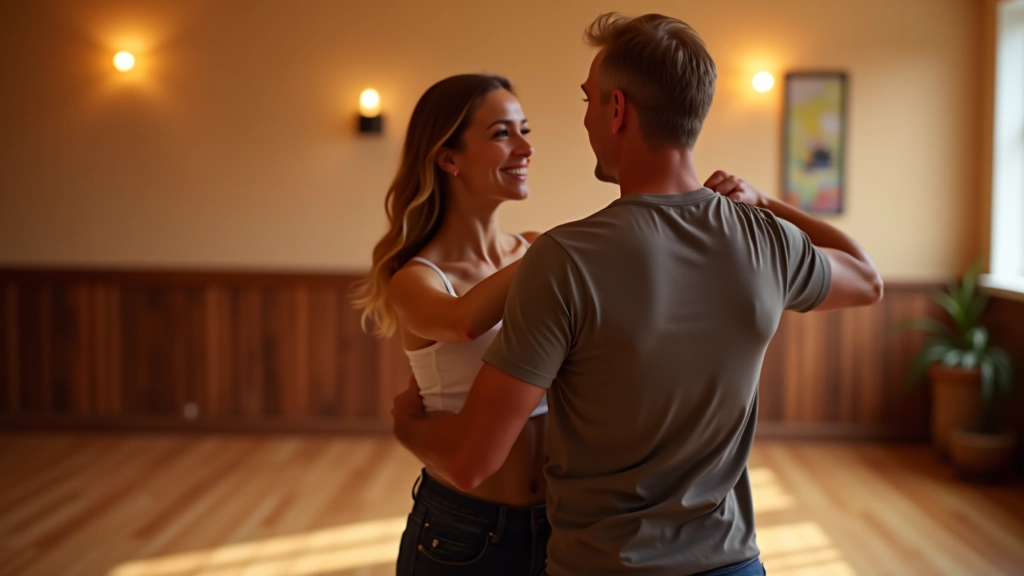
Bachata's one of the most approachable dances for beginners. Unlike some styles that demand years of training before you can move naturally, bachata welcomes you from day one. The basic step is simple — it's really just four counts of weight shifts with a pause on the fifth. Everything builds from there.
What makes it special isn't the complexity. It's the connection. Bachata's all about partnering, communication, and feeling the music together. You don't need perfect technique to enjoy it. You just need to show up and be willing to learn.
What You'll Learn Today
- The basic timing and footwork pattern
- How to maintain proper frame and connection
- Common beginner mistakes and how to avoid them
- What to expect in your first class
Understanding Bachata's Timing
Bachata uses a simple 8-count timing that repeats. The pattern is straightforward: step, step, step, pause, step, step, step, pause. That's it. You're not doing anything fancy on the basic level — you're just stepping side to side with a rhythmic pause built in.
Most bachata music sits around 120-130 beats per minute, which feels natural to move with. It's not rushed. It's not slow either. There's space to feel the music and adjust your movement. Once you've done the basic pattern a few times, your body starts remembering it without thinking.
The pause — that's important. That moment of stillness is where bachata gets its character. It's where you feel the connection with your partner. It's where the intimacy lives. Don't rush through it.
Frame and Connection
Your frame is basically the structure you create with your body and arms. For bachata, it's relatively simple. The follower's left hand sits in the leader's right hand at about shoulder height. The leader's left arm goes around the follower's back — not too tight, not too loose. Just enough pressure to feel communication.
The frame does two things. First, it keeps you at a comfortable distance from your partner. Second, it's how you lead and follow. Small movements in the frame tell your partner what's coming next. This isn't about strength. It's about awareness and subtlety.
Many beginners hold the frame too tight because they're nervous. You'll feel more confident if you relax a bit. Let your shoulders drop. Breathe. Your partner will respond to your ease and it'll make the whole experience better for both of you.
Educational Note
This guide is designed to help you understand bachata basics and prepare for in-person instruction. The techniques described here are general guidelines. Every instructor teaches slightly differently, and there's no single "right way" to dance. When you take your first class, follow your instructor's specific guidance. They'll adapt the fundamentals to your body, your partner, and the style they're teaching. Learning to dance works best with a qualified instructor who can give you real-time feedback and corrections.
Common Beginner Mistakes
Most new dancers make the same few mistakes. You're not alone if you catch yourself doing these things. The awareness is half the battle.
Stiff Upper Body
New dancers sometimes freeze their upper body and only move their legs. Bachata involves a gentle hip motion that comes naturally when you relax. Your hips move because your weight's shifting, not because you're forcing them. Let your body move as one unit.
Losing the Pause
That pause on count five isn't something to rush through. It's part of the rhythm. The pause is where bachata gets its sensuality. Count it fully. Embrace the stillness.
Poor Connection with Partner
If you're holding too tight or not listening through the frame, your partner can't lead or follow well. It becomes a guessing game. Light, aware contact works better than gripping.
What to Expect in Your First Class
Most beginner classes start with a warm-up. You'll move a bit, loosen your joints, and get your blood flowing. Nothing intense. Just enough to get you ready to dance.
Then comes the basic step. Your instructor will break it down. They'll show it without a partner first so you can focus on the footwork. Then you'll partner up. Don't panic if it feels awkward at first. Everyone feels that way. By the end of class, it'll start clicking.
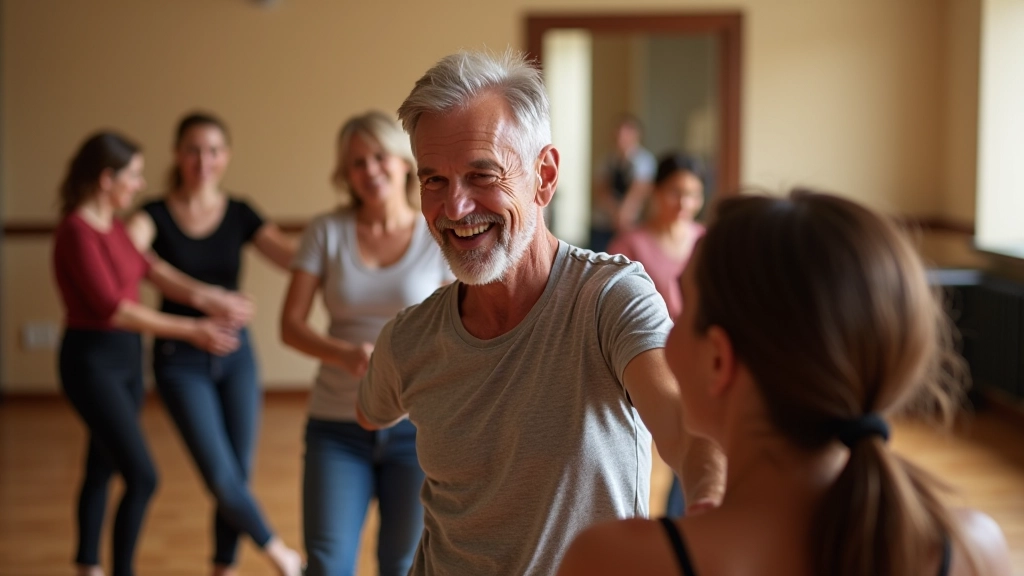
A good instructor will rotate partners so you're not stuck with the same person the whole time. You'll learn what different connections feel like. Some partners will lead more clearly than others. That variation helps you understand the dance better.
Classes usually last 60 to 90 minutes. You'll probably feel a bit sore the next day — that's normal. Your muscles aren't used to these specific movements yet. It goes away after a few classes.
Building Confidence on the Dance Floor
Confidence comes from repetition. You won't feel comfortable after one class. You'll probably feel a bit lost. That's completely normal. Most dancers need 6 to 8 weeks of regular practice before the basics feel natural.
Here's what helps: Show up consistently. Even if you're nervous, go to class. Each time you do the basic step, your brain remembers it a little better. Your muscles develop muscle memory. Your confidence grows naturally from that repetition.
Also, be kind to yourself. Everyone in that beginner class is feeling what you're feeling. The person leading next to you? They were terrified in their first class too. There's no judgment. Everyone's there to learn and have fun.
Quick Tips for Your First Week
- Wear comfortable shoes you can move in — not brand new ones that'll give you blisters
- Bring water. You'll need it.
- Tell your instructor you're brand new. They'll give you extra attention if needed.
- Don't compare yourself to anyone else. Everyone's on their own timeline.
- Have fun. Seriously. If you're not enjoying it, find a different class or instructor.
Your Journey Starts Now
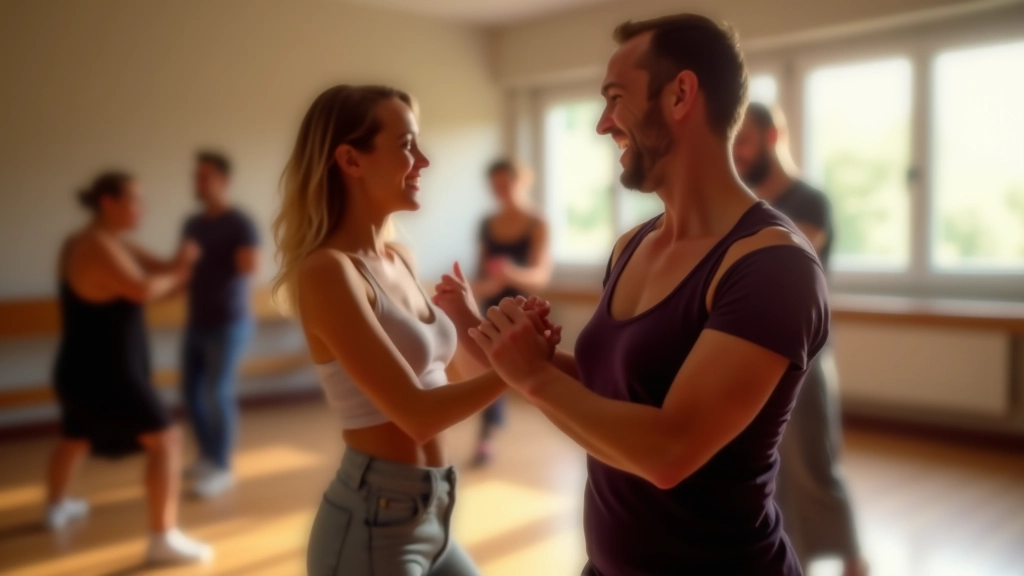
Bachata's waiting for you. The timing is simple. The frame is straightforward. The music is beautiful. What makes it special is the human connection — the moment you start moving with another person and something just clicks.
You don't need to be young to start dancing. You don't need to be naturally talented. You just need to show up, stay curious, and keep practicing. The rest takes care of itself.
So find a beginner class near you. Put on comfortable clothes. Walk through that studio door. Say hello to the instructor. Take that first step. We promise — within a few weeks, you'll be wondering why you didn't start sooner.

Continue Learning